I don’t know if I should be flattered or irritated but I learned funniest thing this week. Netflix “stole” my Real Fake Fendi story for their hit show Emily in Paris. Let me explain.
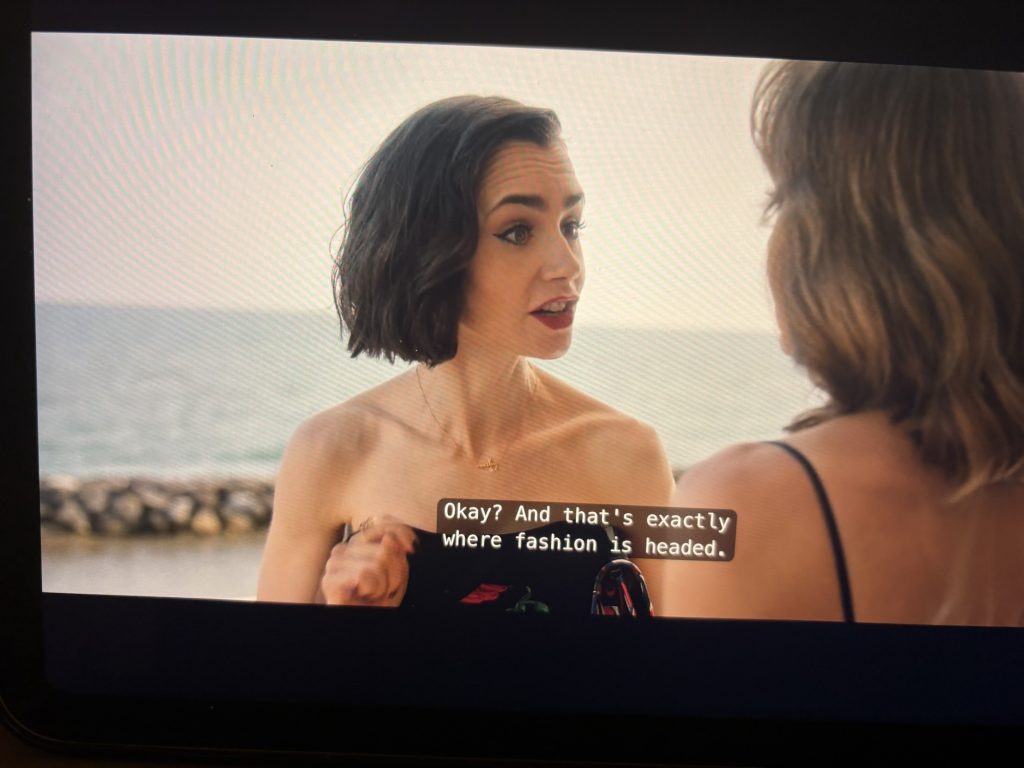
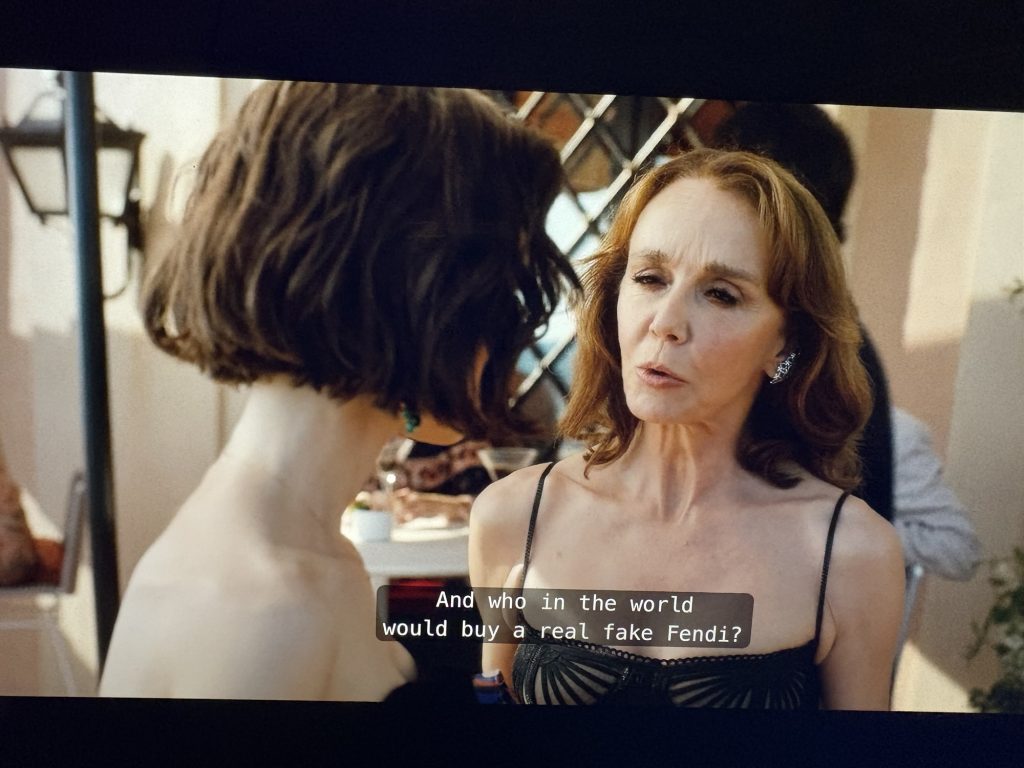
Emily in Paris wrote a plot-line into the current 5th season which appears to be riffing on one of my old blogposts “The Real Fake Fendi.” It is a true story & anyone who has known me awhile has heard me tell it.
I wrote about it in ‘21 on this blog five years long before this season premiered. I am on day 1853 day of writing a daily blog and published the story on Day 89 of my writing experiment though the actual experience took place sometime in the late aughts or early teens where I believe I first wrote about it on an old blog I took down.
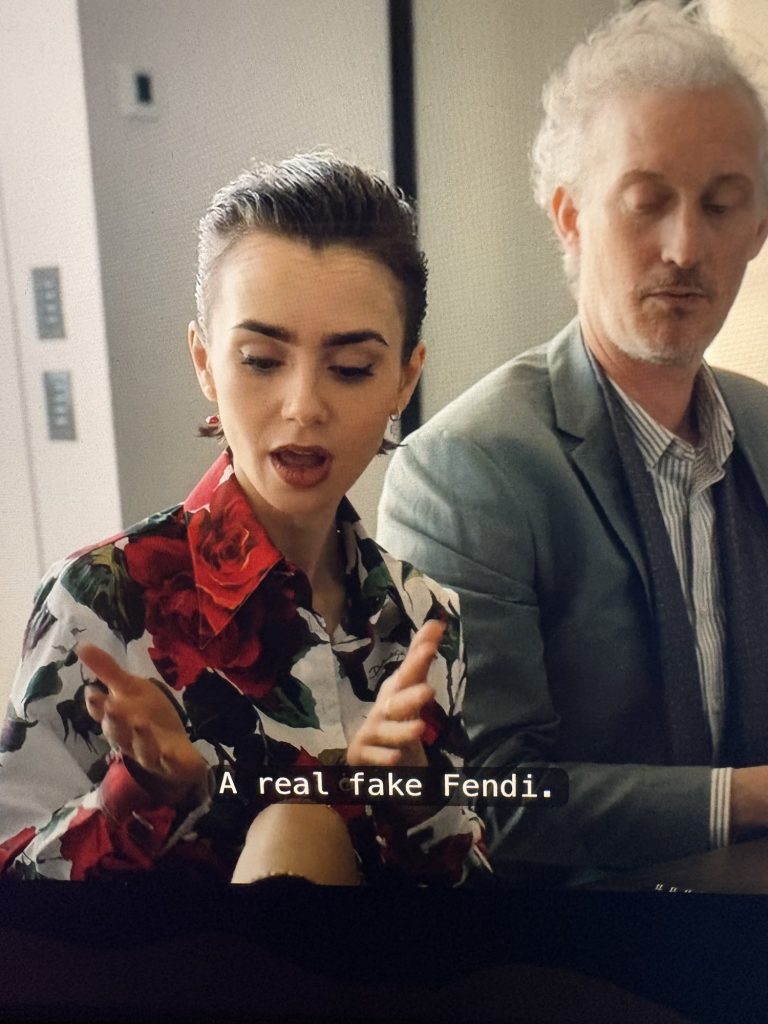
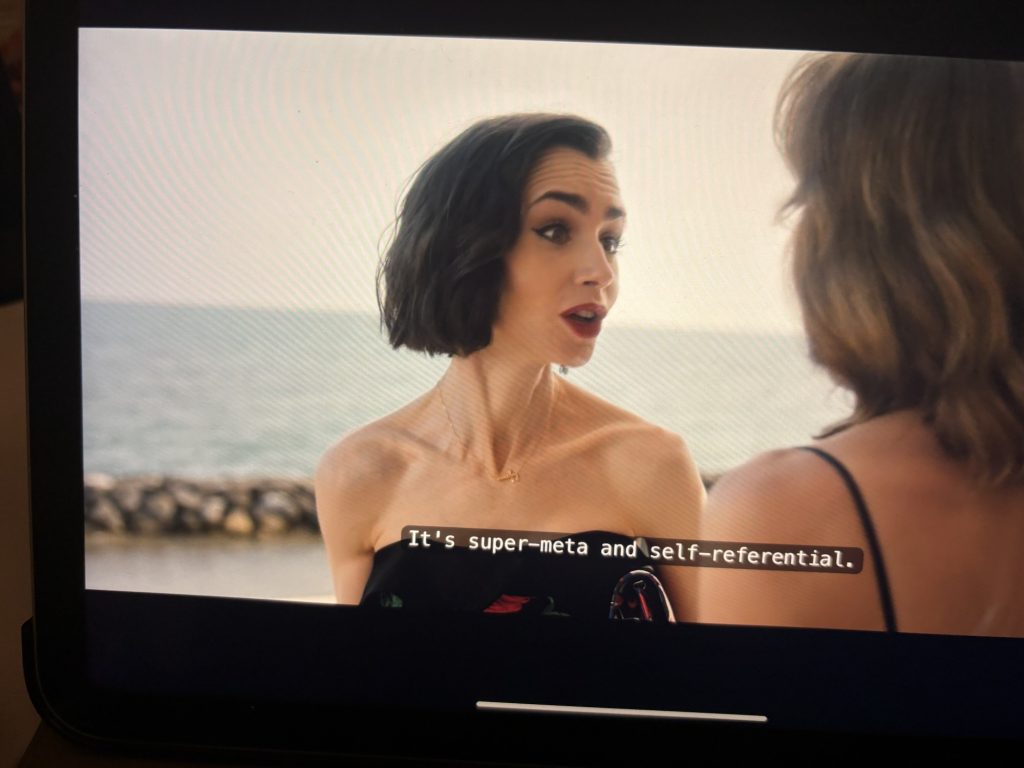
I suspect I would find earlier variants of this tale from my very first (somewhat popular) fashion blog as well. I suppose where fashion is headed is always where fashion has been. Or as they say on the show “it’s super meta and self referential”
The story goes like this. I was once was asked by a tourist for directions to find “a real fake Fendi” when I lived in Manhattan’s Chinatown.
I was honestly stumped by this inquiry. I didn’t answer immediately as my mind raced through the implications of their request. Imagine my mind retrieving.
Was there a fake that had inherent realness that other knockoffs did not possess? Was there a vendor who sold the most authentic mimicry of Fendi which the tourist wished to find? I had no clue how to answer.
Did they mean the realness one sees on the catwalks overseen by RuPaul? But which kind of realness? The creation that evokes the spirit of its inspiration? A realness so over the top and yet absolutely true to its essence?
Or perhaps the blunt direct feedback from being “read” by a drag artist that no construct, no matter how convincing, is the original artifact. Is is serving realness? I honestly didn’t know. I had Walter Benjamin’s The Work of Art in The Age of Mechanical Reproduction swirling in my head and still has no answer.
I just told the tourist that Canal was one block north and walked away. I don’t know if they ever found what they were looking for and I may have even given them the wrong directions I was so flummoxed.
Now can I really complain about someone taking one of my coinages and injecting it into a Darren Starr show about spunky brunette girl from heartland American who becomes a luxury fashion marketer by being good at social media. You see where I am going with this. That girl is me.
Perhaps my friend and fashion scholar Susan Scafidi of Fordham Law School’s Fashion Law Institute & author of “Who Owns Culture” would know who owns this cultural artifact. I bet I’ve told her this story too.
This life story archetype has been aspirational long before me. Murphy Brown anyone? It has been done in many different formats including Darren Starr’s best known work Sex and The City.
But it is my story too. So is Emily in Paris the real story of Julie in Manhattan? Is Julie in Manhattan the real Emily in Paris? Am I a retro causal multiverse prequel version of Emily?
Who is the real Emily? Am I the real Emily? Who buys a fake version of the real thing? Either way, I think Netflix owes me at a walk on spot. It would be very self referential. Or me-referential